Learning to Read the World After Dyslexia
An interview with Georgia Allemeier, an 11th Grade Student and a Previous Scholar of Innovate Academy.
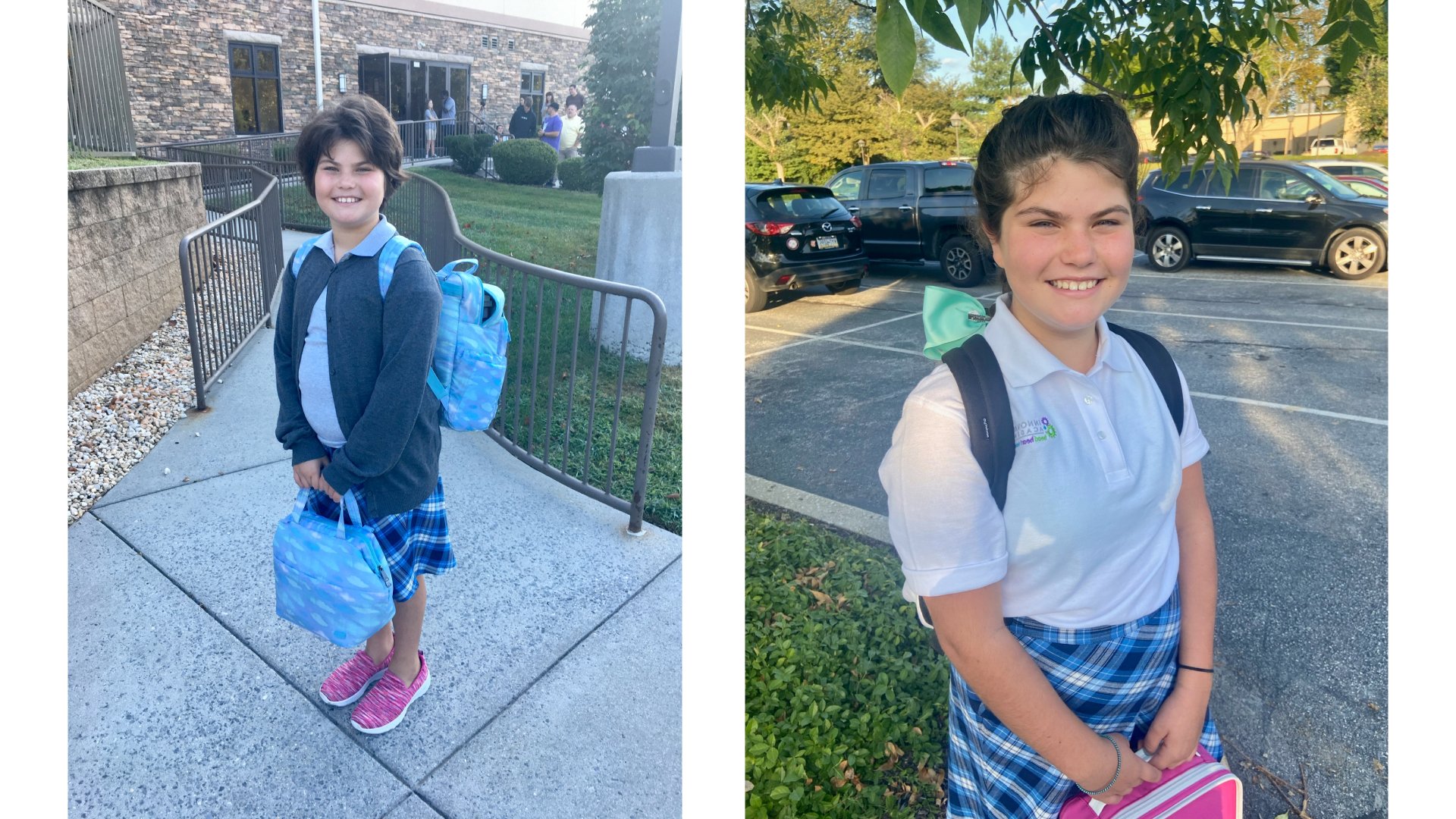
Most of my early education can be summed up in one word: dyslexia.
I was shy and quiet, constantly aware that reading didn’t come easily to me. Words felt hard. Reading comprehension lagged behind my peers. Certain phonics rules—tion and sion in particular—felt impossible to grasp. I worked hard, but school often felt like a reminder of what I couldn’t yet do.
That began to change when I came to Innovate Academy.
Before Innovate, I attended a local Catholic school. They had a program designed specifically for students with dyslexia, which several of my peers attended. While I appreciated the support, many of my peers eventually left because they couldn’t keep pace academically. I felt the same. I needed a place that would support my learning differences without limiting my intellectual growth.
Innovate Academy was that place.
Small class sizes immediately made learning feel more accessible. I worked one-on-one with Ms. Joanne Zeiger, a dyslexia specialist with years of experience, including time at Swarthmore. She met me exactly where I was. Through structured workbook lessons, patient repetition, and individualized instruction, she helped me build the foundational skills I had been missing.
My progress worked for me in a manner that was meaningful and steady. By sixth grade, I finally began to grasp once-difficult concepts.
Then something beautiful happened.
I fell in love with reading.
That love grew through the classical texts I encountered at Innovate. These weren’t watered-down or surface-level readings. We slowed down. We discussed ideas deeply. We read to understand, not to memorize for a test. For the first time, reading felt meaningful rather than intimidating.
When I transitioned to public school in 9th grade (Innovate Academy did not have a high school at the time), I realized how formative Innovate had been—not just academically, but spiritually and intellectually. I missed Morning Matins and Evensong so much that I asked one of my former classmates to print catechisms for me to read along. I missed reciting poetry and prayers before class with Ms. James or Mr. Adler. I especially missed the Omnibus course and how history, theology, and literature were interwoven into a cohesive conversation.
Academically, public school was easy. But socially and intellectually, it felt empty. Creative discussion was rare. I felt a resonance with Plato’s Allegory of the Cave—feeling as if I was enlightened, but surrounded by people still living in shadows. When teachers noticed I was excelling, I was quickly pushed into honors classes. In one English course, I was required to read material that conflicted with my Christian beliefs, and instead of respectful dialogue, I felt dismissed for my worldview.
So I returned to classical education—this time through Veritas Scholars Academy—while still physically attending live classes at Innovate Academy’s cafe (The Table).
That combination has allowed me to thrive.
I now take AP-level courses through VSA, the highest academic level they offer. Last year alone, I read over eighty books for school. The rigor is real, but so is the support. Teachers hold office hours. Classes begin with prayer. Faith is integrated into every discipline—not separated from learning.
Innovate Academy prepared me for this level of work. Without it, I wouldn’t be where I am today.
As an 11th grader in 2026, I plan to take a college course through Eastern University’s Templeton Honors College, earning dual credits while still in high school. After graduation, I hope to take a gap year. I am considering a future in special education or library science, with a minor in theology.
The future holds many mysteries, dare I say, but this is my plan for now.
When asked by the founder of Innovate Academy what my ideal classical high school would look like, my answer is simple: a block schedule that allows time for deep thinking and hands-on learning. That’s what I loved about Innovate’s head, heart, and hands model—learning didn’t stay in a book. It moved into the garden, into the community, and into real-world application through programs like Boss Club and internships.
One of my favorite experiences has been helping Kindergarten students with literacy at Innovate. Knowing how hard reading once was for me makes helping others learn feel especially meaningful.
Innovate Academy showed me that a learning difference does not limit a scholar’s potential. With the right support, rigor, and vision, dyslexia did not hold me back—it shaped me into a deeper reader, thinker, and learner.
And for the first time, I can say this with confidence:
I am fully prepared for what comes next.